The importance of sanitation and our approach in our WASH projects in Cameroon.
Sanitation is a process aimed at improving the overall sanitary condition of the environment in its various components. It includes the collection, treatment and disposal of liquid waste, solid waste and excrement.
The main objective is to prevent human contact with hazardous substances, especially faeces, by implementing waste treatment and disposal systems. The dangers posed by poor sanitation are multifactorial, ranging from physical and microbiological to biological and chemical. Waste, including human and animal excreta, residual waste and wastewater, can cause major health problems.
The lack of toilets is a deadly crisis. Where people do not have access to clean water and sanitation, diseases spread rapidly. More than 1 billion children under the age of 5 die each year from diarrhoeal diseases in sub-Saharan Africa. That is nearly 1,000 children per day, or one child almost every two minutes. This should not be normal.
For girls and women, the lack of toilets also affects their privacy and safety, as they often wait until dark to find a quiet place to defecate. This increases the risk of being harassed or even sexually assaulted.
Through our surveys in the areas covered by our WASH project in northern Cameroon, we have found that girls in particular are affected by the lack of water and toilets, and often give up on their periods altogether. This continues to reinforce and widen the gap between boys and girls, preventing girls from reaching their full potential. It is also difficult to recruit teachers in schools without decent toilets.


The knock-on effects are considerable. In many countries, the economic cost of poor sanitation and hygiene accounts for more than 5% of their GDP. Despite the commitments of many governments and the UN’s recognition of sanitation as a human right, it remains neglected. To achieve universal coverage of safely managed sanitation services by 2020, current rates of progress must be increased fivefold. In the least developed countries, progress must be increased twenty-fivefold.
In order for the effects that drive away life in drinking water and good hygiene to be delivered, decent toilets must be normal for everyone, everywhere. That is why at ASSAUVET we place sanitation at the centre of our work in our WASH projects.
OUR APPROACH IN OUR WASH PROJECTS
Together, we can make a big difference. With our government in Cameroon, development partners, public service companies, community organisations, businesses, entrepreneurs and local communities, we are working every day to improve citizens’ access to sanitation and drinking water.
To ensure that improvements are sustainable, we promote behavioural change and work with communities in our WASH project areas to examine various sanitation options so that they can make informed decisions about which ones best meet their needs.


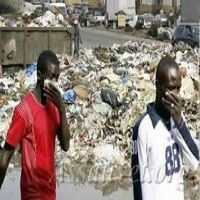
A major battle in our cities in Cameroon: ‘human waste’ The NGO ASSAUVET is tackling the entire sanitation chain to ensure that human waste entrusted by the State of Cameroon to the Hysacam Company is managed safely, including transport and storage, but it is difficult to tell you more, as we have been overwhelmed by human waste everywhere in our cities for the past three years.
The treatment, disposal or reuse of our human waste does not exist in Cameroon. We continue to lead outreach and awareness-raising activities in communities in Cameroon’s major cities when they dispose of their waste in rubbish bins, while defending the dignity, health and safety of the sanitation workers at Hysacam, which operates this chain.


More than one in three people worldwide do not have access to decent toilets. But it is not just a question of lacking domestic toilets. The limited availability of public and community toilets is also a problem. And where they do exist, these facilities often fail to meet the needs of women and girls.


