The challenges of using portable toilets in Africa
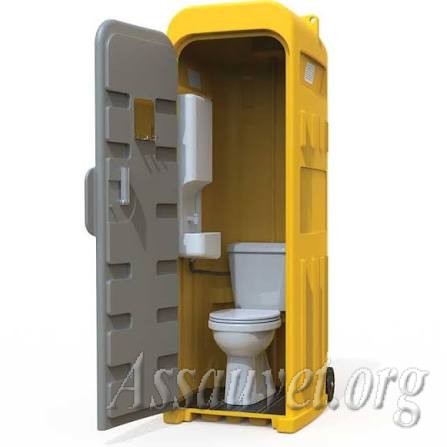
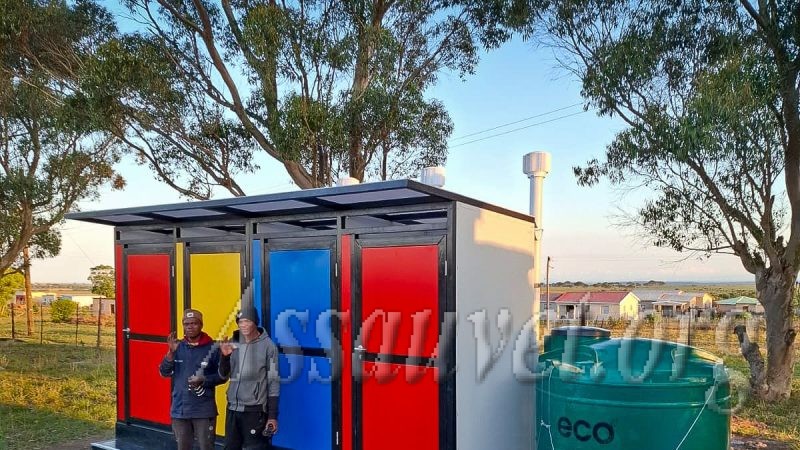
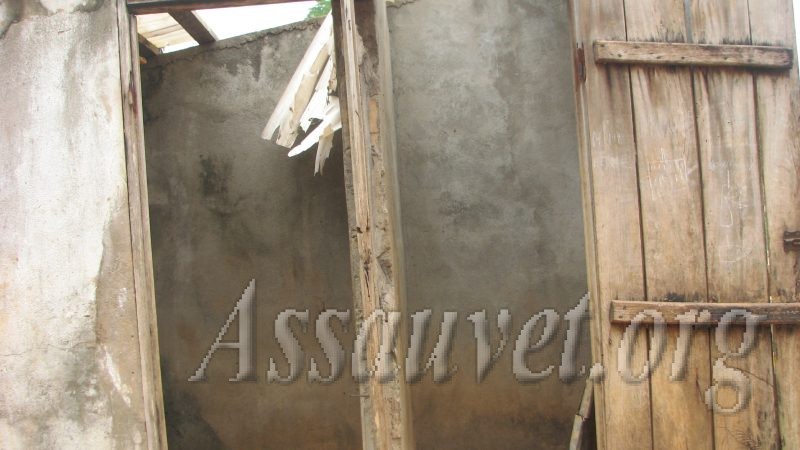
Africa accounts for a significant proportion of the global shortfall in access to safely managed sanitation. According to joint data from the WHO and UNICEF (Joint Monitoring Programme, JMP), several hundred million Africans still practise open defecation or have access only to rudimentary sanitation facilities. In this context, mobile toilets appear to offer a flexible and rapidly deployable solution. However, their use on the continent raises specific challenges, at the intersection of technical, economic, social and environmental constraints unique to the African context.
1. A major public health issue
Sub-Saharan Africa remains the region most affected by diseases linked to poor sanitation: cholera, typhoid fever, hepatitis A and intestinal parasitic infections. In markets, bus stations, camps for displaced people and densely populated informal settlements, the lack of accessible toilets leads to open defecation or defecation in watercourses, which has a direct impact on the contamination of drinking water sources. Mobile toilets, deployed rapidly in these densely populated areas, can significantly reduce the risk of epidemics, provided they are accompanied by rigorous sludge management.
2. Rapid urbanisation and informal settlements
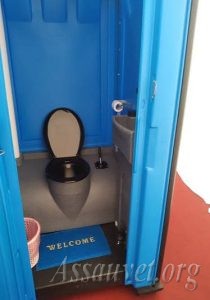
The continent is experiencing the fastest rate of urbanisation in the world. African cities often struggle to expand their sewerage networks at the same pace as the growth of informal settlements. In this context, mobile toilets offer a valuable interim solution: they can be installed in areas not connected to the mains network, moved as urban areas become more densely populated, and serve as a stopgap whilst waiting for permanent infrastructure. The challenge is to ensure they do not become a permanent fallback solution that would delay the necessary structural investment.
3. Faecal sludge management: a critical link
This is undoubtedly the most crucial issue. In many African countries, systems for the collection, transport and treatment of faecal sludge (FSM – Faecal Sludge Management) remain in their infancy or are non-existent outside the major capital cities. A portable toilet that is not emptied properly, or where the sludge is discharged untreated into the environment or drains, negates all the expected health benefits and may even exacerbate local pollution. The development of sludge treatment plants, collection lorries adapted to sometimes difficult road conditions, and recovery systems (compost, biogas) is therefore inextricably linked to the responsible roll-out of mobile toilets.
4. Funding and the business model
The cost of purchasing, hiring and, above all, maintaining portable toilets remains a major obstacle in contexts where municipal budgets are limited. Several models coexist across the continent:
The humanitarian model, funded by NGOs and UN agencies, which is often limited in duration to crisis situations.
The pay-per-use model, common in markets and coach stations, where users pay a small fee per visit, which helps to fund maintenance.
The pay-per-use model, common in markets and coach stations, where users pay a small fee per visit, which helps to fund maintenance.
The social enterprise model, driven by African start-ups that provide composting toilets with regular collection and recycling of by-products, thereby creating local jobs.
The viability of these models depends heavily on local political will to integrate mobile sanitation into a comprehensive strategy, rather than leaving it to rely solely on private or humanitarian initiatives.
5. Sociocultural acceptability
The uptake of portable toilets varies greatly depending on local cultural practices: a preference for squat toilets over Western-style toilets in many regions, taboos relating to the proximity of facilities to homes, and reluctance to share the same toilet block between men and women or across generations. Ignoring these cultural factors often leads to facilities being under-used or even abandoned, despite significant investment. Consultation with communities prior to deployment remains the most decisive factor for success observed in WASH projects across the continent.
6. Safety, particularly for women and girls
In camps for displaced people as well as in densely populated urban neighbourhoods, the location and lighting of mobile toilets directly affect the safety of users, particularly women and girls who are at risk of assault when travelling at night. Gender-segregated facilities, a reasonable proximity to dwellings and adequate lighting are non-negotiable design criteria, regularly emphasised by the Sphere Standards applied in African humanitarian contexts.
7. Adapting to climatic conditions
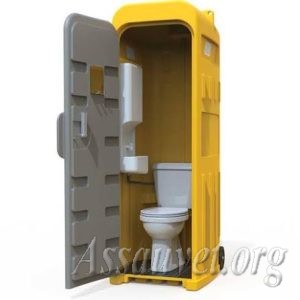
Heat, heavy seasonal rainfall, sandy or rocky soils: African climatic conditions impose specific technical constraints. Composting toilets, for example, must be designed to minimise odour nuisance in high temperatures, whilst flood-prone areas require raised or watertight systems to prevent contamination of surface water during the rainy season.
8. An opportunity for value creation and the circular economy
Beyond simply managing health risks, several African initiatives are turning this challenge into an economic opportunity: treated sludge can be converted into agricultural compost or biogas, providing an additional source of income whilst reducing the pressure on landfill sites. This circular economy model, though still in its infancy, represents a promising avenue for making mobile sanitation systems more financially self-sufficient.
Mobile toilets are not merely an imported technical solution: their success in Africa depends on careful adaptation to local realities — rapid urbanisation, still fragile sludge treatment systems, budgetary constraints, cultural diversity and security challenges. When properly integrated into a comprehensive sanitation strategy and combined with rigorous downstream management, they can serve as a powerful lever for reducing waterborne diseases, supporting informal urbanisation and, in the long term, paving the way for sustainable economic models that create local jobs.